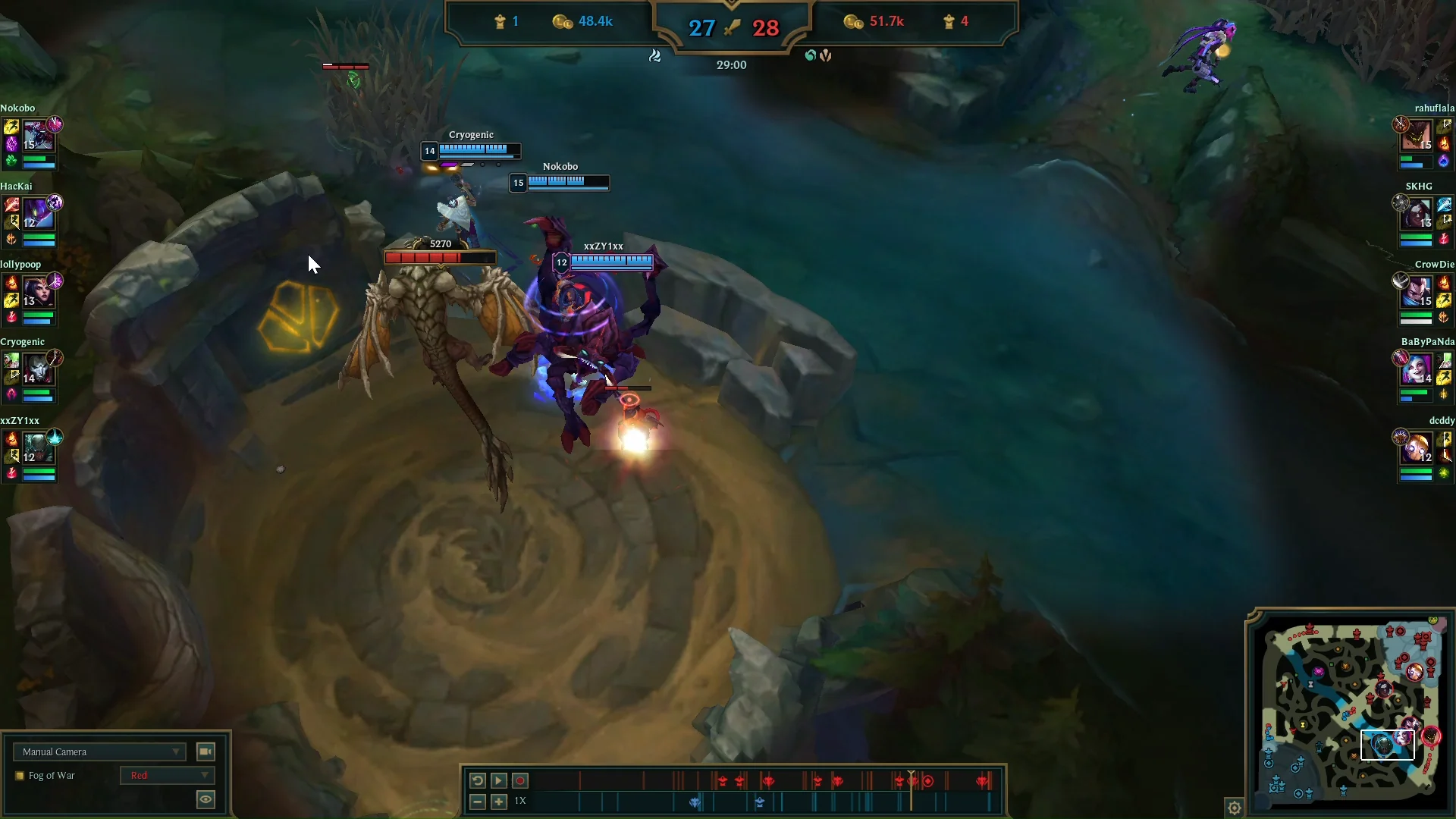
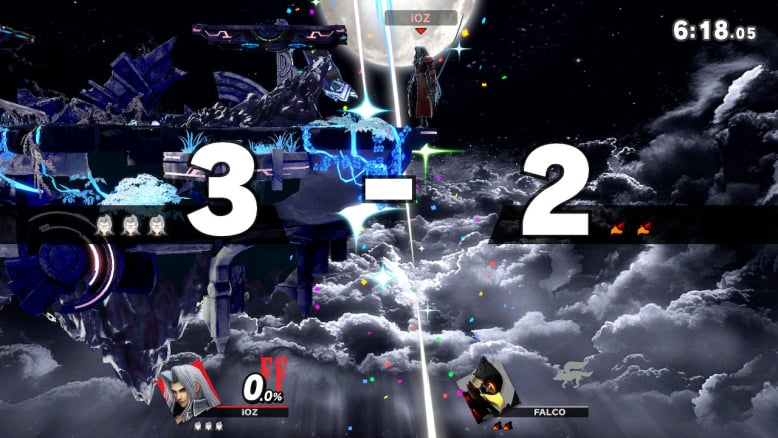
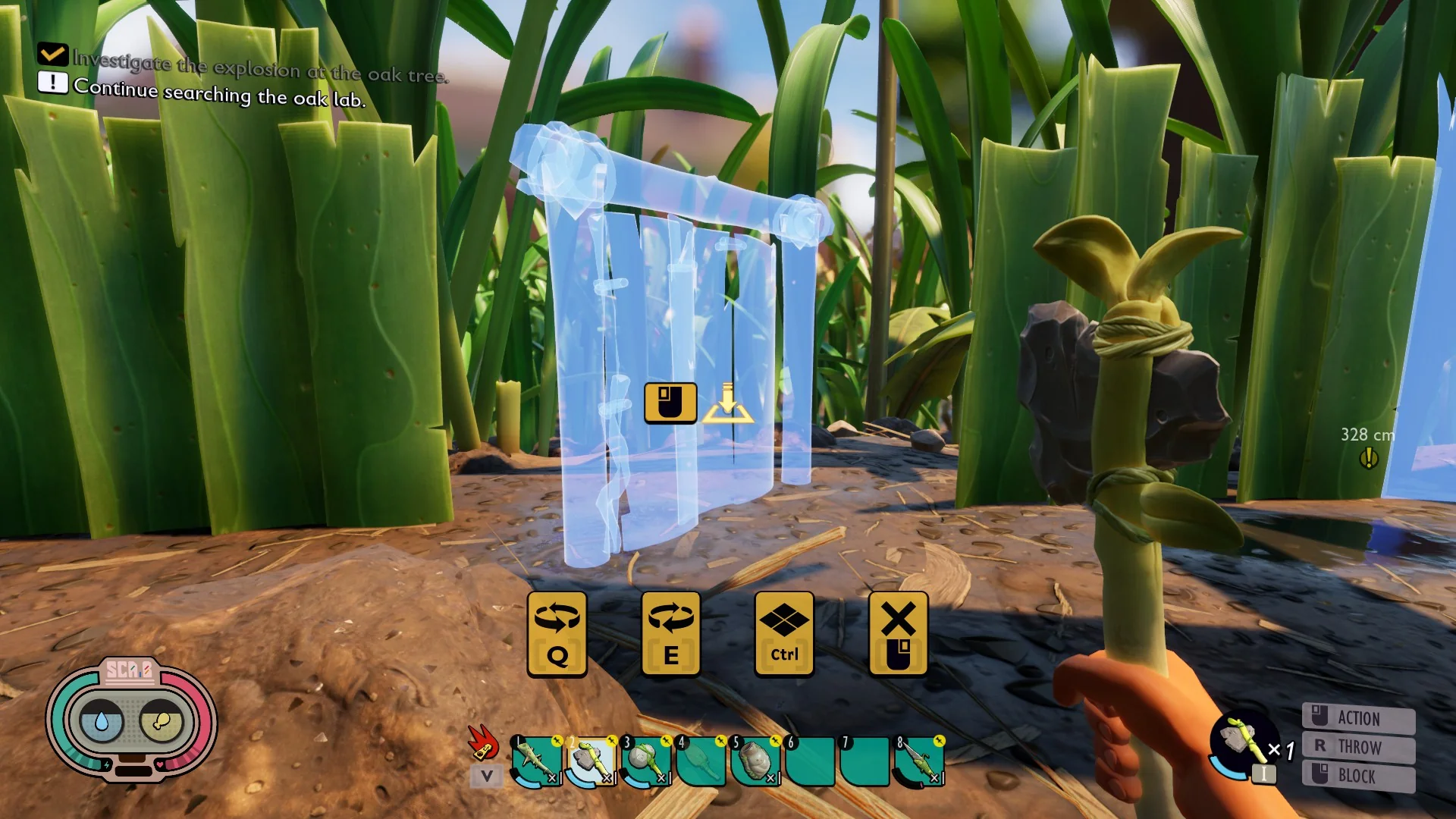
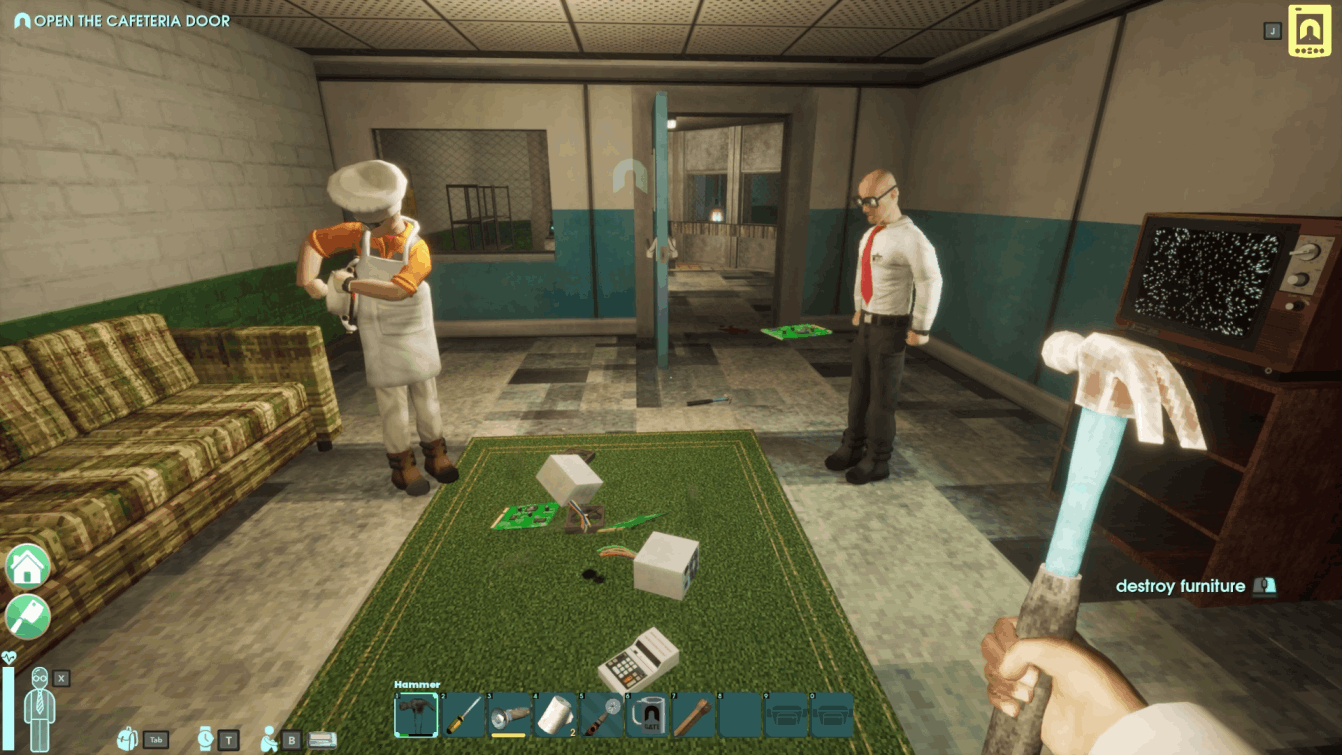
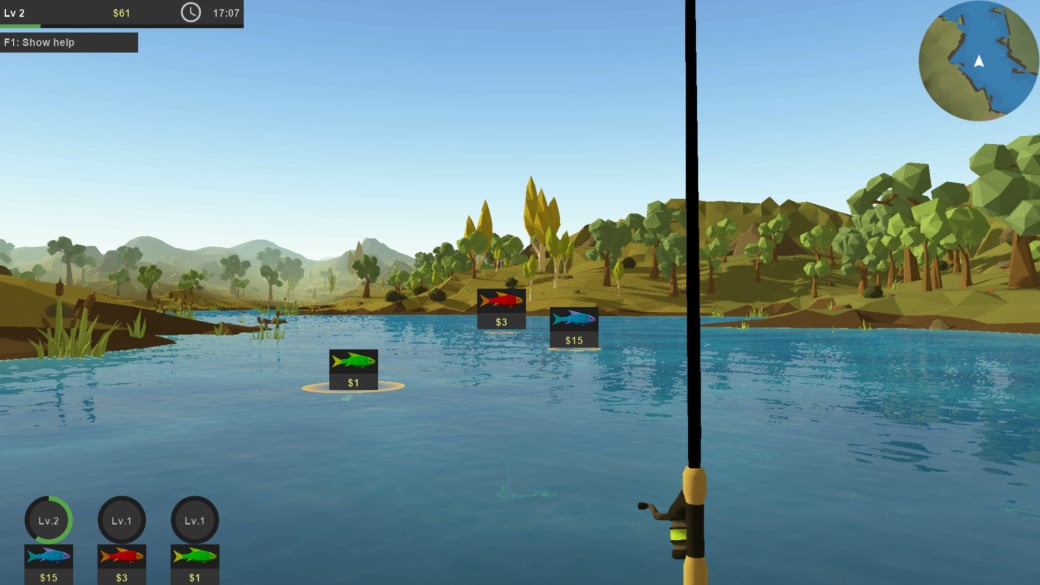
Unlock the secret behind why players can’t stop—even when they want to.

Dive deep into the psychology of the “One More Try Effect” and learn how game designers use short gaming sessions, instant rewards, psychological hook in games, and dopamine loops to keep players hooked. Whether you’re a developer, marketer, or curious gamer, discover the science that turns casual play into obsession.

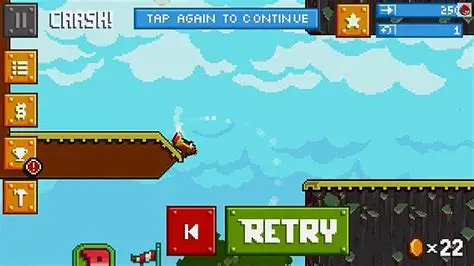
Why I Can’t Stop Clicking ‘Retry’

I should’ve stopped after the third loss, but the game whispered, “One more try—you’ve almost got it.” And just like that, two hours vanished into the one more try effect.

How Games Turn 5 Minutes Into 5 Hours

I told myself it was just a short gaming session. Five levels later, my phone died, my dinner got cold, and I realized: the game had played me.

The Near-Miss: Why ‘Almost Winning’ Hooks Us Harder

I didn’t win, but the slots stopped one symbol away from the jackpot. My heart raced—not because I lost, but because I almost won. That’s the dopamine loop in action.

Why Losing Feels Like Winning (And How Games Exploit It)

The game let me keep half my progress after failing. “Not so bad,” I thought. That’s minimal punishment for losing—and it’s why I played for three more hours.

About Us

At JES JACOBSEN ApS, we’re not just observers of gaming—we’re students of the invisible forces that make players lose track of time, logic, and sometimes even their dinner plans. Founded by Lucas "Loop" Mendes, a behavioral psychologist with over a decade of experience dissecting the one more try effect, our team is obsessed with the science behind why games feel impossible to put down. We don’t just talk about gameplay loops or dopamine loops; we study them, test them, and reveal how they shape player behavior in ways most people never notice. Whether it’s the instant reward of unlocking a new level or the minimal punishment for losing that tricks your brain into thinking failure is just a stepping stone, we break down the mechanics that turn casual play into obsession.

Our work sits at the intersection of psychology, game design, and behavioral science. We collaborate with everyone from indie developers to academic researchers, helping them understand how psychological hooks in games can be used ethically—or exploited ruthlessly. We believe that knowledge is power, and our mission is to arm players, creators, and educators with the insights they need to navigate the addictive landscape of modern gaming. Because when you recognize the session retention tactics at play, you can decide for yourself whether to lean into the fun—or step back before the game takes over.

What sets us apart is our commitment to transparency. We don’t sugarcoat the truth: games are designed to keep you playing, and the one more try effect is one of the most powerful tools in a developer’s arsenal. But we also believe that understanding these mechanisms can lead to better games, healthier habits, and a more informed community. Whether you’re here to improve your game’s design, protect your own time, or simply satisfy your curiosity, we’re here to guide you through the hidden psychology of gaming.

Why Choose Us?

Science-Backed Insights

We don’t guess—we analyze real data on dopamine loops, session retention, and player psychology.

No Fluff, Just Facts

Skip the jargon. We explain psychological hooks in games in plain language, with actionable takeaways.

Ethical Focus

We teach you how to engage players without exploiting them. Because great games respect their audience.

Brazil’s Gaming Pulse

We understand the unique habits of BR gamers—from mobile addicts to hardcore esports fans.

Proven Results

Our strategies have helped indie devs and AAA studios alike boost session retention and player satisfaction.

Our Story

JES JACOBSEN ApS began with a simple question: Why can’t I stop playing this game? It was 3 AM, and Lucas "Loop" Mendes, our founder, was staring at his screen after what felt like the hundredth attempt at the same level. He wasn’t having fun anymore—he was stuck in a gameplay loop, driven by the one more try effect and the promise of an instant reward that never quite materialized. That night, he realized something profound: this wasn’t just about willpower. It was about design. Games were being engineered to exploit the dopamine loop, and most players had no idea it was happening. That realization sparked a decade-long journey into the psychology of gaming, and JES JACOBSEN ApS was born.

Our early days were spent digging into research, analyzing games, and talking to players about their experiences with session retention and the psychological hooks that kept them coming back. We discovered that the minimal punishment for losing wasn’t just a feature—it was a strategy. The quick level restart wasn’t just a convenience—it was a trap. And the more we learned, the more we realized how little most players knew about the forces shaping their behavior. We started sharing our findings, first in small circles, then with developers, and eventually with a global audience. Our goal was simple: to pull back the curtain on the one more try effect and give players the tools to game on their own terms.

Today, JES JACOBSEN ApS is a hub for anyone who wants to understand the hidden psychology of gaming. We’ve worked with indie developers to create gameplay loops that engage without exploiting, and we’ve helped players recognize when they’re being manipulated by instant rewards and dopamine loops. Our story is still unfolding, but one thing remains constant: we’re here to make gaming more transparent, more ethical, and more enjoyable for everyone. Because when you understand the game, you can finally decide whether to play it—or walk away.
Achievements (And Why They Matter)

The Near-Miss Master

Unlocked by: Almost winning 3 times in a row.
Why it works: Near-misses trigger the same dopamine as wins, making players feel “so close!” and prompting a quick level restart.

The Streak Survivor

Unlocked by: Playing daily for 7 days.
Why it works: Daily streaks exploit session retention by making players fear “breaking the chain.”

The Completionist

Unlocked by: Collecting 100% of in-game items.
Why it works: Taps into the dopamine loop of progress, making players chase every last reward.

The Speedrunner

Unlocked by: Beating a level in under 60 seconds.
Why it works: Encourages short gaming sessions that feel intense and rewarding, leading to repeat plays.

The Social Climber

Unlocked by: Overtaking a friend’s high score.
Why it works: Leverages competition and FOMO to drive engagement.

What We Do

At JES JACOBSEN ApS, we specialize in uncovering the hidden psychology behind the games you love—and the ones you can’t seem to quit. Our work revolves around analyzing the one more try effect, the dopamine loop, and the gameplay loops that make games so addictive. We break down how developers use instant rewards, minimal punishment for losing, and session retention tactics to keep players engaged, often long after the fun has faded. Whether we’re consulting with game studios, writing in-depth articles, or speaking at industry events, our focus is always the same: to reveal the mechanics of addiction and empower players to game with intention.

One of our core offerings is research and consultation for game developers. We help studios design gameplay loops that are engaging without being predatory, showing them how to create experiences that respect players’ time and mental well-being. We also work with educators and parents to explain the psychological hooks in games, giving them the language to discuss gaming habits with young players. Our articles and guides are packed with real-world examples, from the quick level restart that keeps you playing just a little longer to the instant rewards that make quitting feel like a loss. We don’t just point out the problems—we offer solutions.

But perhaps our most important work is with the gaming community itself. We provide players with the knowledge to recognize when they’re being manipulated by session retention tactics and the one more try effect. Our goal is to create a world where gaming is a conscious choice, not an unconscious habit. Whether you’re a developer, a player, or just someone curious about the science of addiction, we’re here to help you understand the games you play—and play them on your own terms. Because when you know how the game is designed, you can finally decide whether to keep playing—or walk away.

FAQ

It’s the urge to replay a level or session immediately after failing (or winning), driven by instant rewards and the belief that success is just within reach. Games optimize for this to maximize session retention.

Short gaming sessions reduce the mental barrier to starting. Players think, “I’ll just play for 5 minutes,” but the gameplay loop is designed to extend that time subtly.

Every win, near-miss, or unlock triggers dopamine—a neurotransmitter linked to pleasure. Games stack these instant rewards to create a cycle of anticipation and satisfaction.

It depends on intent. Ethical designers use it to enhance fun; exploitative ones use it to drain time and money. Awareness is key to spotting the difference.

Absolutely! Start by setting timers, recognizing minimal punishment for losing as a tactic, and asking yourself: “Am I playing for fun, or because the game won’t let me stop?”

Contact Us

+5587988456784
onemoreroundinsights@gmail.com
Vindrosen 3 Skovby
6470
Sydals

© JES JACOBSEN ApS 2026 - All Rights Reserved